


Contents
What does it mean to be a man? And who gets to decide?
From a young age, many boys are told, directly or indirectly, how men are supposed to behave. Be strong. Don’t cry. Stand up for yourself. Never show any sign of weakness. Fight back. And when it comes to sex, men are expected to know what they’re doing and take the lead.
These messages come from everywhere—parents, friends, films, social media and the toxic messages about masculinity circulating in the manosphere. By adolescence, pornography may have also become another influence on how boys see themselves as men and what they believe is expected of them sexually.
But what happens when the man you think you’re supposed to be doesn’t match the person you actually are? Or when the sexual confidence you’re expected to have is replaced by anxiety, insecurity or a growing dependence on pornography?
The unwritten rules of being a man
Think about some of the messages boys grow up hearing about sex.
In films and series, men want sex all the time. The more sexual experience a man has, the more desirable he is. Getting rejected is embarrassing and a sign of being a loser, not a real man. Not being able to perform sexually is even worse.
A young boy isn’t “taught” these things in the traditional sense. He picks them up through conversations with friends, jokes on the school playground, locker-room talk, chats in anonymous gaming groups, and the films and attitudes of the people around him. Always watching, always mimicking, always trying to measure up to an unreachable standard.
Psychologists call these expectations sexual scripts. They’re the ideas we develop about how sex should work, what it’s supposed to look like, what we’re supposed to want and how we should behave with a sexual partner.
Of course, attitudes towards masculinity have (thankfully) changed considerably over the years. But some of these traditional old-school beliefs are still very much part of our everyday culture.
Pornography can easily reinforce these unrealistic ideals surrounding sexual expectations, especially since it’s now one of the main ways young men learn about sex.
Porn. A blueprint for masculinity?
Watch almost any “mainstream” porn, and you’ll notice something about all the men. They all seem to follow the same script. They’re confident, sexually experienced and rarely seem to have any doubts about what they’re doing, how they’re doing and who they’re doing it with.
There’s no awkward conversation about what feels comfortable. No nervousness about being naked with someone for the first time. No concern about whether they’re good enough or whether their partner is enjoying themselves. Because those are real-life issues and these are actors living out a fantasy.
Sex is presented as a performance, with the man expected to take control and deliver. But it’s a performance, not a reflection of everyday sexual intimacy.
But for a young man who’s still figuring out his sexuality? These powerful images can create some pretty unrealistic sexual expectations.
Am I big enough? Should I last longer? Is this what women really want? Why doesn’t sex feel like this in real life?
With all of these messages, sex, which is supposed to be something discovered and enjoyed with another person, can start to feel like a performance they need to excel at.
That’s not to say everyone who watches pornography develops unhealthy attitudes towards sex. But when it’s a regular (or the only) source of sexual information, particularly without much discussion about what a real relationship looks like, the line between entertainment and expectation can become easily blurred.
Can we talk about emotions?
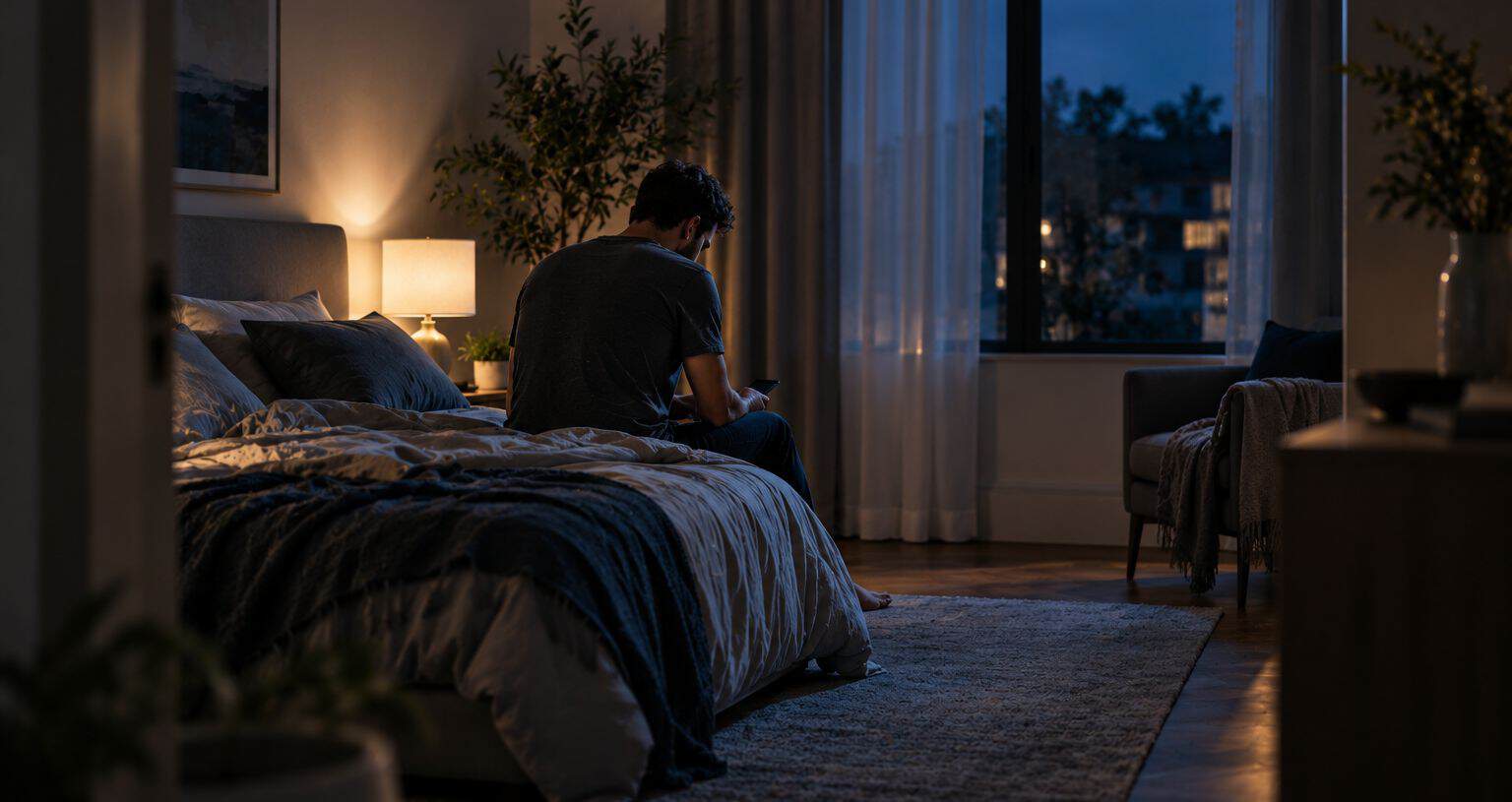
What happens to the young adult or man who’s feeling lonely, anxious, rejected, or insecure but has grown up believing he shouldn’t show any of it?
If you’ve spent years learning to keep your emotions to yourself, talking openly about what you’re feeling isn’t easy. In fact, you may be so used to suppressing those unwanted feelings, you’re not even aware of them, let alone able to express them.
Pornography can offer a quick escape without the emotional vulnerability that comes with a real relationship. There’s no risk of rejection, no need to explain yourself, and no one asking how you’re feeling. Some might say it’s the perfect relationship. But it’s all temporary. And if you’re dealing with your feelings of anxiety or loneliness by checking out emotionally, nothing will ever be addressed.
In fact, some men can have an active sex life, but compulsively watch pornography and feel profoundly disconnected from themselves or their partner.
The fear of not being ‘man enough’
If you’ve grown up believing that men should always be confident and sexually desirable, struggling with compulsive pornography and feeling sexually disconnected might very well leave you feeling like you’re not ‘man enough’.
Who do you talk to about that? Talking about “feelings” can be hard enough, but admitting there’s a sexual problem can feel humiliating, particularly when the issue involves something so closely tied to a sense of masculinity.
What will your partner think? What if your friends found out? What if the therapist judges you?
The guilt and shame can be overwhelming, but there’s an important difference between the two. Guilt is feeling bad about something you’ve done. Shame is believing that what you’ve done says something bad about who you are.
If you’re hiding your porn use from your partner, you might feel some guilt. But when that guilt slides into shame, you might start believing you’re weak and less of a ‘real man’. A real man could handle this by himself. But when the problem persists, the shame grows.
For men experiencing compulsive sexual behaviours, this combination of shame and secrecy can keep them struggling alone for years.
Rethinking masculinity
What if ‘being a man’ was less about sexual performance and more about understanding yourself?
What if admitting you’re struggling with compulsive sexual behaviours wasn’t a sign of weakness?
Just because you learned one idea about masculinity doesn’t mean that’s the one you have to live by.
Understanding the connections between problematic porn use and emotional or attachment difficulties can help men recognise why certain behaviours have become so difficult to change.
It also creates space to develop a different relationship with sex, one that includes emotional availability and connection, communication, mutual pleasure and the freedom to be vulnerable with a sexual partner.
How Innisfree Therapy can help
At Innisfree Therapy, we often approach these concerns through both psychosexual and trauma-informed lenses, recognising that compulsive pornography use and sexual difficulties rarely exist in isolation from broader emotional and relational life.
When problematic pornography use has begun affecting desire, arousal or sexual satisfaction, it does not mean something is broken, but it may mean something important is asking to be understood.
And that can be the beginning of meaningful change.
If you’re navigating these issues, Innisfree Therapy offers support to help understand the cultural scripts of masculinity.
Contact us today for a confidential, no-obligation conversation with one of our professionals.
Ready to reclaim your life?
If you are uncertain about whether you’re dealing with sex addiction, porn addiction or any other compulsive behaviours, we encourage you to reach out. We are here to help and can schedule an initial assessment to start addressing your concerns.
Ready to reclaim your life?
If you are uncertain about whether you’re dealing with sex addiction, porn addiction or any other compulsive behaviours, we encourage you to reach out. We are here to help and can schedule an initial assessment to start addressing your concerns.